
AR and VR in education
What works, what doesn’t, and what the evidence says
Plain-language guides to augmented and virtual reality in teaching and learning, from classroom basics to STEM, languages and inclusive education. Every claim is linked to its source.
Featured guide
Getting started with VR and AR in the classroom
What to try before buying headsets, how to build a lesson students learn from, and the age and comfort limits to plan around.
134
Studies of augmented reality in education pooled in a 2022 meta-analysis. See the sources.
48
Experimental studies of immersive VR and learning, from 2016 to 2020, pooled in one meta-analysis. See the sources.
35
Articles on AR in language learning, with 2,171 participants, in a 2024 meta-analysis. See the sources.
Explore by use
Where AR and VR are being used
STEM and math
Virtual labs, science simulations and 3D shapes for geometry.
Language learning
Vocabulary attached to real objects and practice in virtual situations.
Special education
Skills practice for students with disabilities and autistic students.
Career exploration
Letting students try out jobs they could not otherwise see.
Headsets and hardware
What schools can buy today, and which older devices are gone.
Directory
Companies and tools active in AR and VR for education.
Latest
Recent articles
-

AR and VR in Education: Directory of Companies and Tools
A short, current directory of companies and tools working in augmented and virtual reality for education, with what each offers…
-
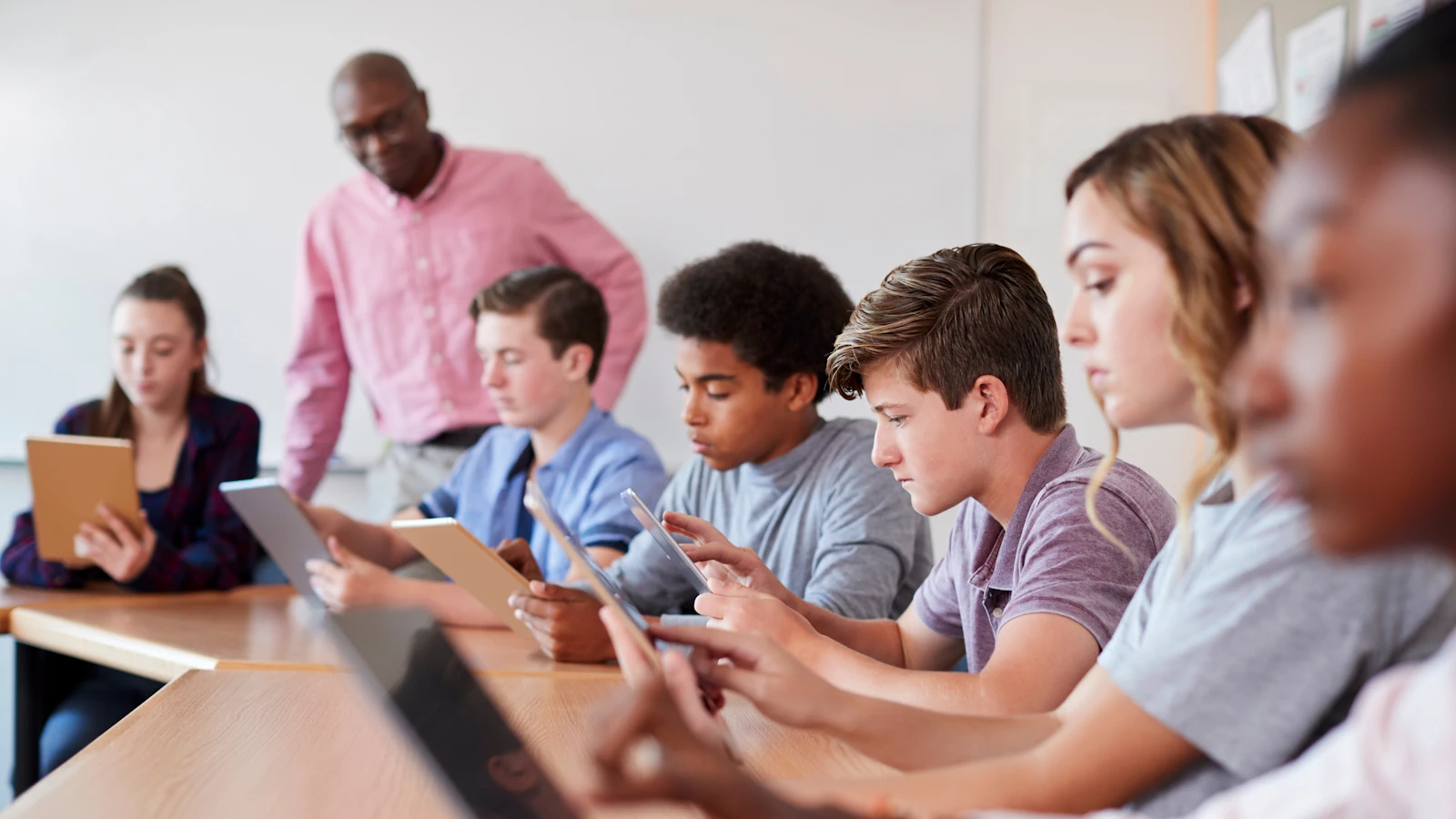
AR vs VR vs Mixed Reality in Education: What Is the Difference?
Plain definitions of augmented, virtual, mixed and extended reality, what each is used for in schools, and which of our…
-
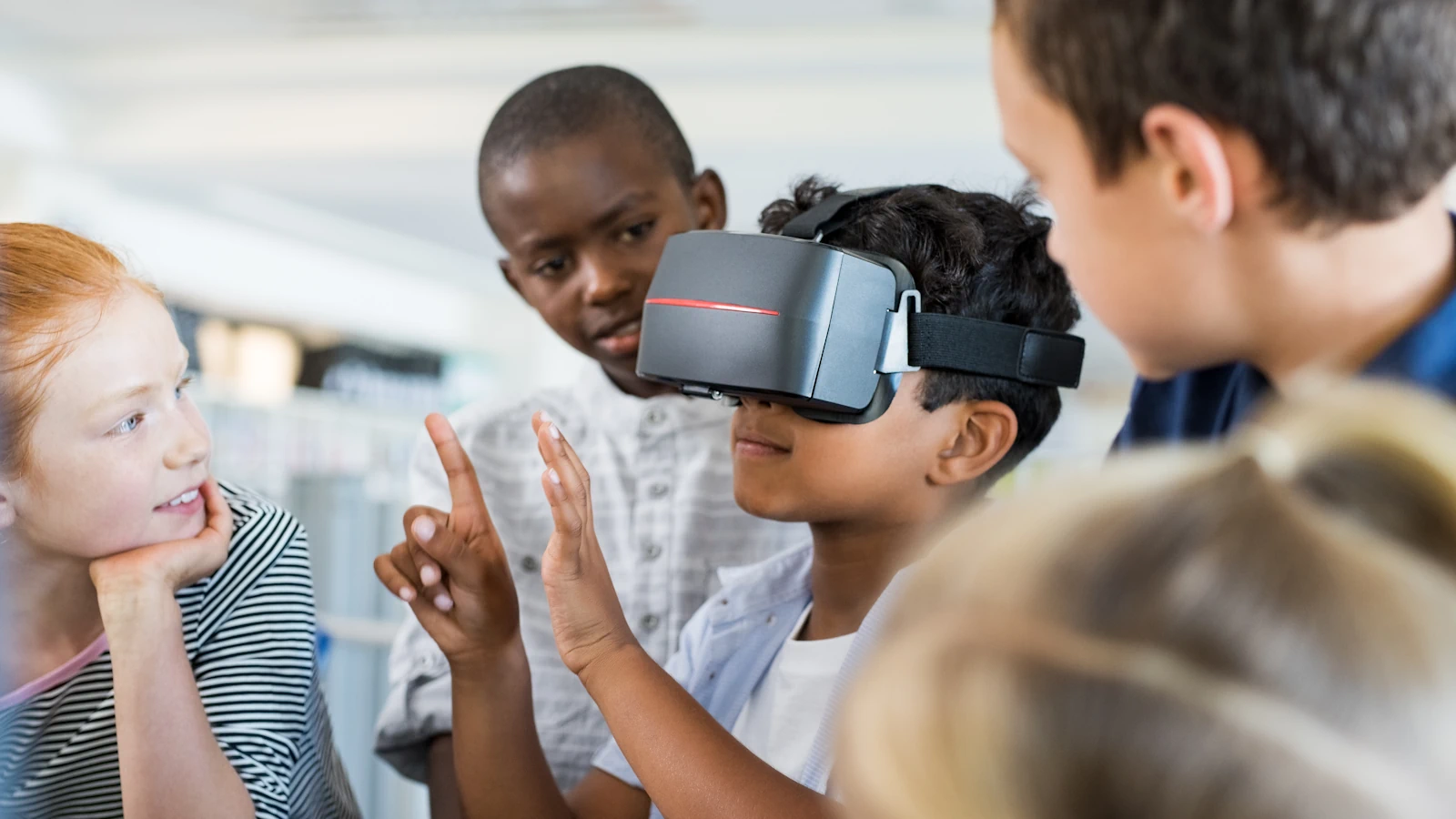
AR and VR for Language Learning: What the Research Shows
What meta-analyses found about augmented and virtual reality for learning a language, including effects on language gains and motivation, and…
-
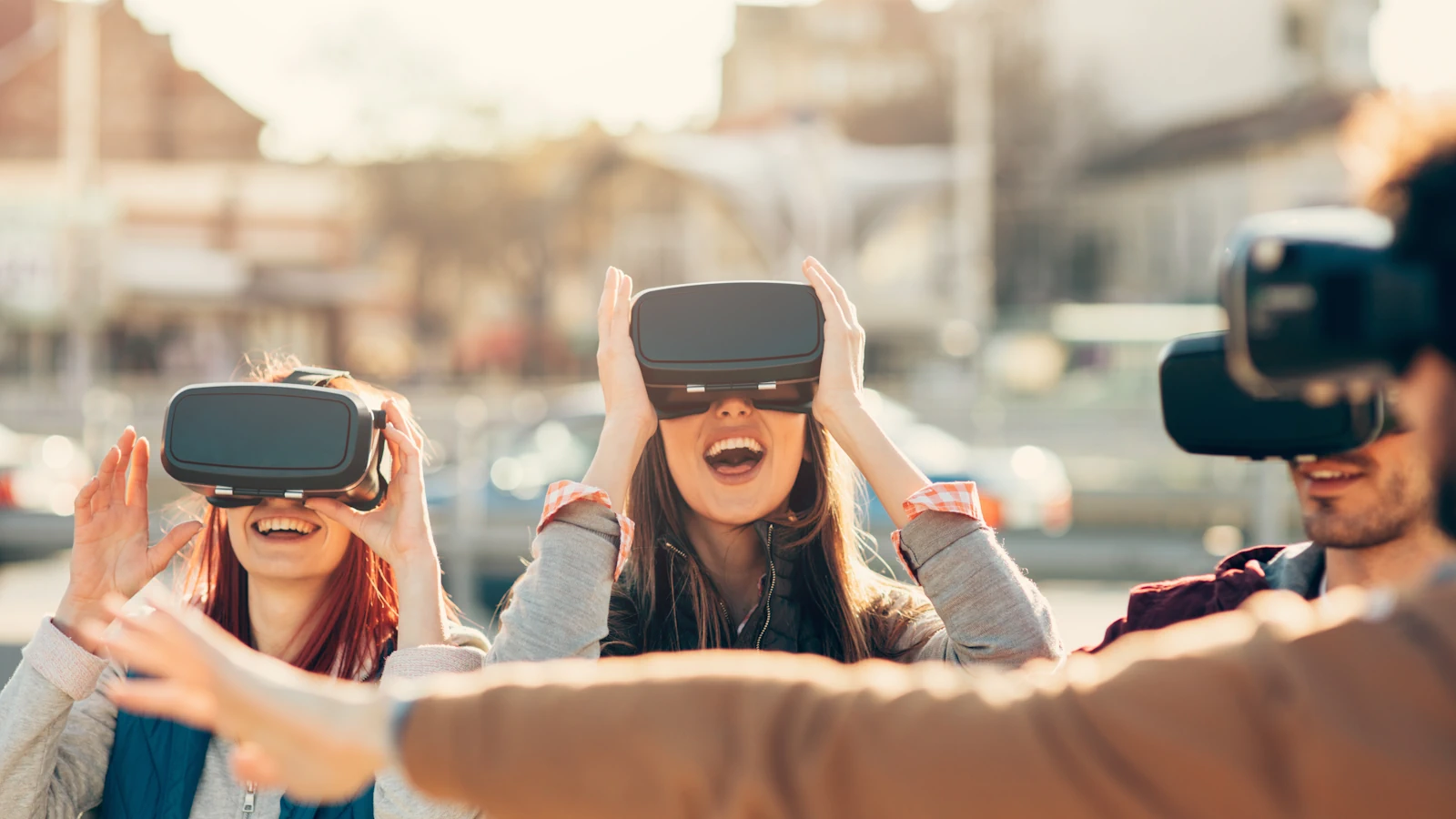
VR in Physical Education and Sports: What the Research Shows
What reviews say about virtual and augmented reality in physical education, from active games to skill practice, and the practical…
-
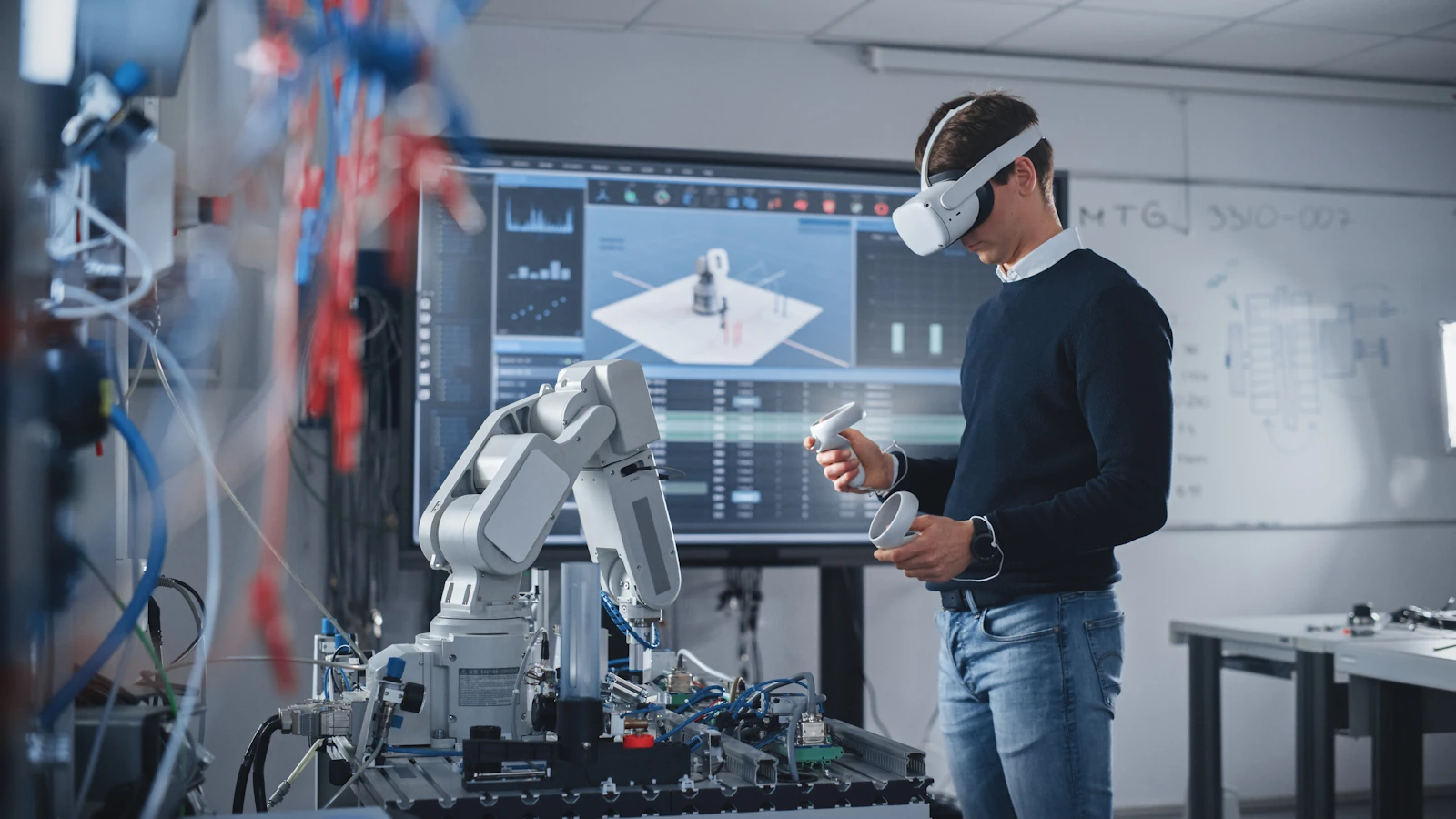
VR for Career Exploration: What the Evidence Says
What studies show about using virtual reality to let students try out jobs, including effects on interest and confidence, and…
-

Creating VR Content with Students: Tools and Project Ideas
How students can build their own virtual and augmented reality projects, which creation tools are still available, and what is…
How we work
Evidence first
Sources are cited
Guides link to the studies, reviews and official records they rely on.
Limits are stated
Where research is early, small or mixed, we say so.
Kept current
Guides are dated, and discontinued products are removed. More about how we work.